**Life Isnt a Walk in the Park**
The whole village buzzed with the scandalhow Irene had stolen her sisters husband. Only the deaf hadnt heard, and the mute couldnt repeat it! Gossip like that was entertainment for the villagers, a break from their daily grind. Some saw it as juicy drama to savor; for others, it was a cruel twist of fate.
Nicholas had married Helen far too youngor rather, he was ready for marriage, while she was still playing with dolls. Helens parents drank and neglected their four children, leaving her, the eldest, to shoulder everything. She cooked, cleaned, got her siblings to school, and still managed to excel in her studies.
Then, one day, she returned home to find their house in flames. The neighbors said the fire brigade arrived too lateher parents, drunk and careless, had perished inside. Helen collapsed in the mud, screaming, but nothing could undo the tragedy. Her siblings were taken to an orphanage, while her aunt, Anna, took her in.
Life with Anna was stable, though strict. Her husband, William, was a quiet, hardworking man who bent to Annas will. There was no shouting, no drinkingjust peace, which felt strange to Helen at first. She worked tirelessly, not because she had to, but because she couldnt imagine idleness.
Then Nicholas, Annas eldest son, returned from the army. Tall, dark-haired, and effortlessly charming, he had every girl in the village swooning. Like his stepfather, he was skilled and dependable, a man of few words but steady hands.
Anna had conceived Nicholas out of wedlock, and when William proposed, she accepted without lovegrateful someone would take her with a child. Love grew between them, and they had three more children, though one died young. Their daughters, Mary and Rose, were their joy, and they doted on Helen like their own.
Soon, Anna noticed Helens fatigue, her downcast eyes. She confronted Nicholas one evening.
“Out with itwhats happened between you two?”
“With *who*?” he joked.
“Dont play dumb! Helenwhat have you done?”
“I love her,” he said firmly. “And she loves me.”
“Enough to carry your child?”
Helen, trembling, confirmed it.
“Then youll marry,” Anna declared. “No one shames a girl under my roof.”
Their wedding was a village spectacletwo days of feasting, dancing, and laughter. They moved into Williams late mothers cottage, fixed it up, and built a life together, swearing vows of love through hardship and joy.
A year later, Helen gave birth to a daughter, then a son. Happiness bloomeduntil they took in Helens youngest sister, Irene.
Anna warned them. “This wont end well.”
Irene was Helens oppositelazy, entitled, obsessed with her reflection. She left chaos in her wake and smirked at gossip. When Anna and William left to tend to a sick relative, Irene seized her moment.
Helen rushed their feverish children to the hospital, leaving Nicholas behind. That night, Irene drugged his tea. When Anna returned, she found them in bed togethera staged scene.
“Ask your son what happened,” Irene sneered. “Or shall I report him for seducing a minor?”
Helen returned to chaos. The village gossips fell silent as she walked past, their pitying stares saying everything.
Seven years passed in a blur. Helen moved to the city, rebuilt her life, and remarrieda kind man named Stephen, who adored her children. Then tragedy struck. Stephen died in a car crash, leaving her shattered.
Nicholas came when their daughter called. “Mums not well. Please come.”
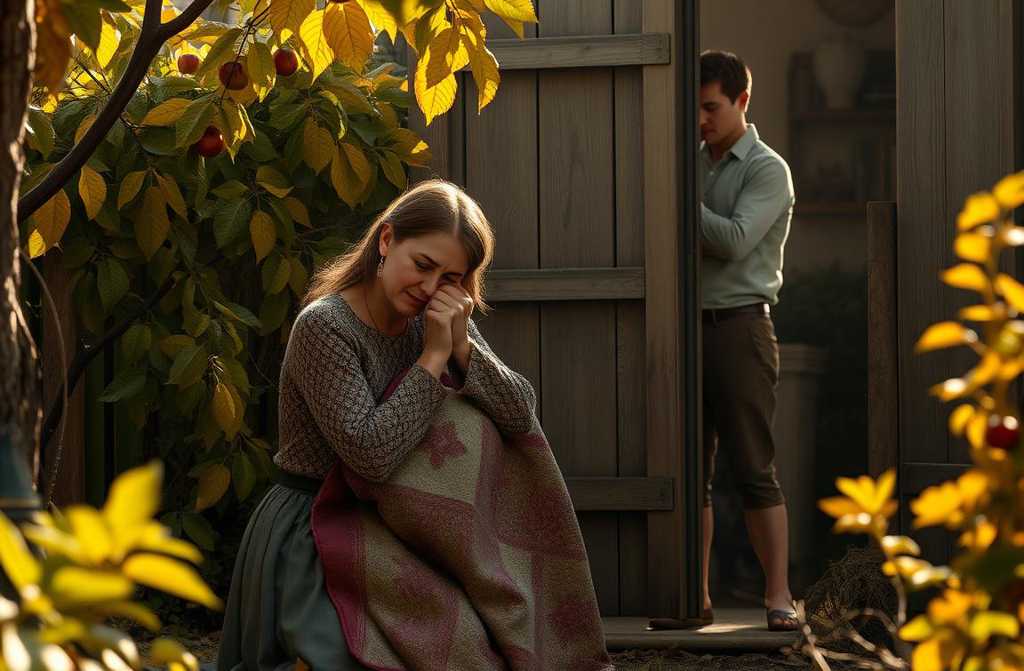
Grief carved deep, but slowly, Helen resurfaced. Nicholas stood by her, silent and steady. Perhaps, in time, their hearts would mend.
Life wasnt a straight pathit twisted, tripped, and tested. But faith, patience, and a little mercy made the journey bearable.
After all, life isnt a walk in the park.