3October2025
The wind caught me as I stepped onto the platform at Hawksford Station, snatching my flat cap off my head before I even set foot on the rail. I had to grab it midair, feeling the sharp bite of autumn air creeping beneath my coat collar. The scent of damp leaves, distant chimney smoke and something oddly familiariron, oil, old timberfilled the air. It was the smell of my childhood.
I looked around. The low brick station building, its paint peeling from the sign that read Hawthorn, stared back at me. The platform, once swept clean by Uncle Mike, the local caretaker, was now overgrown with nettles and wild oat pushing through cracks in the tarmac. Everything was the same and yet different, as if someone had squeezed the world in a fist.
The trees that towered over me as a boy now barely brushed the roof of the station. The little stall where I used to wait for the train to the town now looked tiny, its boards rotted and splintered. Even the sky seemed lower.
I tugged my cap deeper over my brow, slung my rucksack over my shoulder and set off down the familiar lane that led down to the rivertoward my grandfathers house.
The road wound past crooked cottages, skirted empty fields where oncestanding fences had blackened with age. The village was dying a quiet death. The youth had long since fledsome to the city, others to seasonal work. Only the old remained, lingering in silence, and a few families with nowhere else to go. Many windows stared out like empty sockets; doors hung on a single hinge.
The only sound breaking the hush was the melancholy bark of stray dogs, as if theyd forgotten why they shouted, and the groan of the wellhand pump at Mrs. Grunes cottage.
Grandfathers house sat at the very end of the lane by the river, where the footpath vanished into the sand and the roots of ancient willows tangled with the washedaway bank. It was a weatherblackened wooden building, stubborn and proud, its carved window frames the work of my grandfathers winter evenings. Every swirl, every flower on those frames I could feel in my mind, recalling how as a child Id stand on tiptoe and run my fingers over the patterns as if reading secret script.
The porch creaked under my boots with the same treacherous loudness as twenty years ago. The lock on the door had rusted into a lump, yet I felt my way under the third step of the threshold and found the hidden keybent, with a broken tooth that always jammed in the lock.
The door gave way reluctantly, as though the house itself was reluctant to let a stranger in.
The smell hit me straight away: dust that had settled over years of emptiness, the sour tang of old books, the bitter trace of hearth smoke clinging to the beams. Sunbeams pierced the dusty panes, making motes of dust dance in the air. Everything sat exactly where it had when we left:
A massive oak table scarred by Grandpas axewhere he once butchered meat.
A kerosene lamp beneath a glass globea perpetual tribute to winter nights.
A cabinet holding two shotguns and an old rifle, still smelling of linseed oil and powder.
On the slightly askew wall, photographs in makeshift frames:
Grandfather in his youth, revolver at his side, hard stare (1923, pencilled).
Grandmother Ann with a milkpail, two buckets brimming, July sky behind her.
Young George, barefoot in a sunbleached shirt, fishing rod in hand, cheeky grin.
I flung my rucksack onto the bed and a cloud of dust rose to the ceiling. I paused, listening to the floorboards sigh beneath my feetthe same sound that always announced my nightly treks to the river.
I stepped outside.
The river roared exactly as it always hada deep, rolling growl, as if a massive beast breathed behind the gate. The wind sent little waves skittering across the surface, breaking the sunlight into a thousand glittering shards. Across the bank, untouched by any modern hand, the forest stood black and ancient, as silent as memory.
I drew a deep breath, filling my lungs with that damp, algaetinged air.
I hadnt come here without purpose. After I was dismissed from the factoryno farewell from anyone. After the divorce the door slammed shut for good. After the city began to press on me with its walls, its crowds, their voices, their indifference.
Then my grandfathers whispered words at a night fire resurfaced in my mind:
If your soul aches, lad, go to the water. Stand by it until you hear its voice. The river will wash away all grudges and pain. It remembers everyone who has come to its banks.
My fists clenched automatically, a sting in my chestwhether from memory or premonition, I could not tell.
The first days passed in absolute quiet. The silence wrapped around me from the moment I stepped foot on the porch, thick and syrupy like tar. Not the false, pretended quiet of the cityfilled with car horns, upstairs footfalls, alarm beeps. Here the quiet was alive, healing.
I repaired the roofpatched the ragged spots with rubber sheets. The hammer rang on the nails, its sound echoing over the river as if someone were knocking on the doors of the abandoned houses all around the village.
I split firewoodGrandfathers axe was still keen. Logs cracked with a juicy pop, exposing the grains pattern. The scent of pine resin mixed with my own sweat.
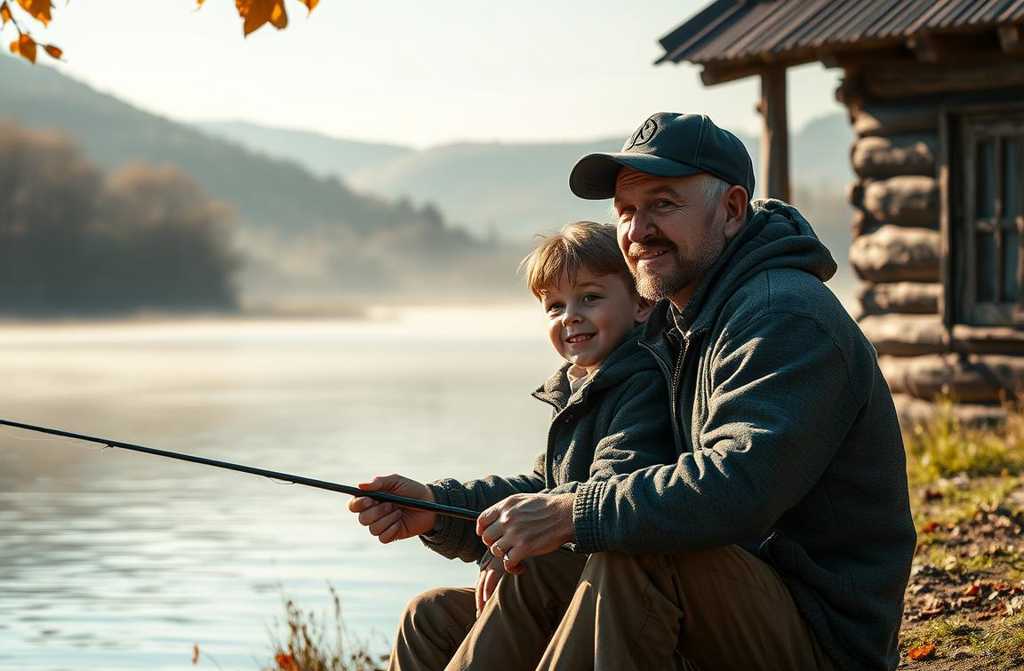
I fishedsat on the same stone where I used to sit as a boy, casting my line into the dark water. The bites were feeble, tiny minnows, nothing like the plump bream of my youth, but the thrill lay in the tremor of the line, the resistance of the water, the patient waiting.
Loneliness settled in. It was not the hollow loneliness of the cityno icy lift shafts, no silent phone that never rang. Here it breathed, filling itself with:
1. Memories
By the knobbly stump with peeling bark, Grandfather taught me how to set snares for hareshis rough hands guiding mine, Dont bind it too tight, lad, or itll smell of iron.
Under the sagging leanto, Gran Ann dried mushroomswhite as butter, birchcap, smelling of the forest. She muttered prayers while I pilfered a piece when she wasnt looking.
By the doorstep, for the last time, Mother stood in a cheap blue dress, suitcase in hand, Ill be back. She never was.
2. Sounds
The creak of the old willows, their branches rubbing together like gossiping elders.
The splash of the riverreal water, not the tap, with bubbles and stray stones tossed onto the bank.
A night birds cryneither owl nor hawk, perhaps something else entirely.
3. The presence of those gone
No shadows lingered, no footsteps creaked upstairs, yet sometimes:
Grandfathers pewter mug appeared on the table of its own accord.
The stove flared up brighter than it should.
In the morning, fresh footprints on the sill suggested someone had pressed their palms against the glass.
I lit a cigarette, watching the smoke drift into the cool air. From across the river a howl roselonely, long, familiar. A wolf? Perhaps, but Grandfather always said, Its not beasts that howl, lad. Its the lost souls knocking on the world of the living, those we have forgotten, those erased from memory. They wander the bank, unable to cross, until a heart remembers them truly, with love.
A shiver ran down my spine, not of fear but of recognition.
That autumn I never returned to the city. I stayed in Grandfathers housechopping wood, feeding the fire, digging a garden in spring and planting potatoes. Mornings were for tea with gooseberry jam; evenings for the dusty books in the old cabinet. Occasionally I trekked into town for groceries and a packet of cigarettes. When Gran Ann needed help with the garden I obliged.
In early summer my son, Arthur, arrivedfifteen, lanky, headphones glued to his ears, a permanent scowl etched on his face. His first day was spent poking at his phone and grousing about the lack of decent internet.
On the second day, while I was tidying the loft, his phone slipped from his grasp and fell into a bucket of water. He stared at it, horrified.
Bloody hell! he snapped. Itll never work again!
He hurled the soaked handset into his backpack.
The weeks that followed changed. At first Arthur roamed the house like a lost animal, feeling his pockets. Then he began to help with choresfirst out of boredom, then with genuine interest. On the fifth day, when a silver perch twitched on his hook, a childlike excitement lit his eyes.
When he left, he asked, Dad, can I can I come back for the holidays? Just dont buy me a new phone, alright?
I nodded, hiding a smile. As you say. Just dont forget your rod.
A week later he returned, and this time he stayed until the end of summer.
In September the phone rang. I was out chopping wood and didnt hear it at first. The handset lay on the garden table, screen flashing Lena. My heart stopped. We hadnt spoken since half a year ago, when my exwife shouted into the line that I was a nogood father.
Hello? I croaked, wiping my palm on my apron.
At first only the city traffic hissed through. Then Lenas hesitant voice:
Hi, George. I I wanted to talk about Arthur Hes changed completely.
I sank onto the bench.
He now washes the dishes, keeps his room tidyfirst time in fifteen years, she chuckled nervously. And thank you. Warmth slipped into her tone, almost a laugh. Thank you.
I pictured her standing in our former kitchen, one hand hugging herself at the shoulder, the way she always did when nervous.
He just saw a different life, I said slowly.
No. He saw you, she replied after a pause. I want to come back with him for the winter. Can we?
Visions of our past flickered through my mind.
Its cold here, I said finally. Well need to keep the stove going.
Youll teach me? she asked, barely audible.
Come, bring warm things. And your wellworn boots, I answered, feeling a smile break across my face.
Boots, she repeated, and for the first time in years her voice softened. Alright.
When the call ended I returned to the firewood. The axe fell with a new, eager rhythm, my breath quickening with anticipation. I tossed the last log into the basket, straightened my back, and watched the mist rise over the river, cloaking the bank in gentle grey. Winter would be coming, I thought, but for the first time I awaited it not with dread but with a quiet, hopeful expectation.
A weathered gate creaked in the wind from the corner of the house. Will need fixing before they arrive, I noted to myself, already forming a list: clean the stove, oil the flues, pull extra blankets from the loft, mend the curtains.
Standing by that gate I realized I no longer saw the house as a refuge but as a home that would soon be filled with voices. The feeling was fresh and fragile, making even the cold air seem a little warmer.
Lesson learned: returning to the places where we first learned to breathe can heal the parts of us that the world tries to freeze.