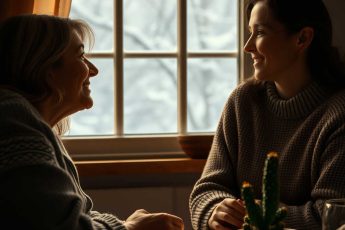
The morning fog had not yet lifted when a crowd in autumn coats gathered outside the entrance to the Ashford Health Centre. Emma Clarke, a twentyeightyearold GP on the local practice, quickened her step; she had to be in the consultation rooms by eight, collect the patient cards, and fill the old water dispenser. Through the glass door she heard the low murmur of conversations no one shouted, but the tension was palpable even through the pane.
Once there were eight GPs on the roster, now only four remain. Two moved to private clinics, one took a post in the county hospital, and another was sent off for a lengthy training scheme. The HR notice board displayed a vacancy flyer, yet no one had applied for a month. Rumour has it the NHS is missing about twentythree thousand primarycare doctors, and this cramped hallway felt like a miniature version of the national problem.
Emma slipped off her coat in the tiny oncall room. A fluoresccent tube flickered overhead, leaving pale streaks on the ceiling. She checked the schedule: instead of the usual thirty appointments, fortyfour were pencilled in for today. The dispatchers nighttime calls, the lastminute requests to squeeze in a couple more tickets everything merged into one endless shift. Nineteen minutes per patient, assuming they didnt need to drink water or use the loo. A quick calculation ran through her mind: even at a perfect pace nine straight hours would be required.
The first patient, a woman with bronchial asthma, twiddled her scarf nervously. Her electronic booking had failed, so she arrived in person fearing a flareup. Emma gave her an inhaler on a discounted prescription and tried to calm her, but disgruntled voices were already drifting from the hallway. The same pattern repeated each morning: a push forward, the question whos last?, a spat, irritation. People read in the news about the Department of Health promising to cut the shortage by next year, yet they needed treatment today.
By midday the line stretched across the whole landing. The coat rack ran out of tickets, patients left their shoes under the benches so they wouldnt stand all day in boots. A short man with hypertension asked the registration clerk, Blythe, why the ticket only covered three weeks ahead. Blythe shrugged and pointed toward the GPs: The schedules jammed. Emma caught the reply through the partly opened door and felt a cold sweat trickle down her spine. Too many people, too few hands.
After a brief lunch a sandwich, an apple, three hearty sips of tea Emma decided to act. Together with the senior nurse they drafted a new timetable: morning slots strictly by prior appointment, evenings left for walkins with urgent issues. They posted the sheet by the reception for the rest of the shift. She returned to her consultations, hoping the tweaks would ease the flow. An hour later the security guard returned the paper, torn, with a redink note that read, Is this how you finally ditch us?
That evening, as she locked the cupboard of medicines, Emma realized she was smiling at patients automatically. The first sign of burnout a mask of friendliness covering an emptiness. In the oncall room the remaining three GPs argued whether management should pay overtime. Emma listened to the clipped remarks and imagined the next morning when people in scarves and felt hats would line up again. She fell asleep at eleven, but didnt drift off until two in the morning.
The following Monday was bitterly cold. A thin crust of hoar frost edged the centres windows, and a draft whistled down the corridor. People bundled tighter in their scarves, shuffling in place to stay warm. At nine the reception phone stopped ringing; its chatter was drowned out by the flood of questions. Emma tried to stick to the new timetable, even though it hadnt been formally approved, and every third patient demanded an explanation.
By eleven the waiting had reached a boiling point. An elderly lady in a downfilled headscarf slammed into the doorframe of a consulting room and complained, I got here by bus at six, and the youngsters werent even born when I started waiting. Behind her a man with a crutch grumbled that veterans deserved priority. Voices overlapped into a din the clerk shut the window, the guard tried to calm the rising accusations.
Emma stepped out of her room in her coat. Just a moment, please, she said, raising her hand. I have a suggestion: Ill see only urgent cases now, and the rest well book for a specific slot after lunch, so you dont waste your time. The crowd eyed her warily. Some muttered that the booking existed but vanished, others complained about the distance home. A few agreed to disperse, and the tension eased a little. Emma felt the sting of reality without the bosses consent this improvisation wouldnt last long.
An hour later the chief medical officer called her in. She slipped her coat onto the back of a chair, walked down the corridor in the protective overshoes provided. The office on the second floor was taped with a Meeting in session sign. Inside sat the chief, the deputy in charge of clinical services, and the head of reception. Between them lay the ticket ledger, its pages bent from overuse. The deputy launched straight into it: Patients have filed a collective complaint. Seven signatures. They claim the GPs are sabotaging the service.
Emma felt her ears flush. We simply cant cope, she replied. Four hundred and two appointments a week for four doctors isnt safe or quality care. We have two options: either stamp out prescriptions without examinations, or reorganise. I propose grouping patients into mutualhelp circles. Young people could help the elderly book online, freeing up an hour each day for emergencies. Plus a clear rule: if a patient misses their slot, the ticket moves on. A brief silence followed.
The chief leaned back. People say it used to be easier: a live queue, that was all. Emma raised her voice for the first time. We used to have twice as many staff, she interjected. Now the staffing hole isnt just ours. Across the country there are twentythousand unfilled posts. If we dont change, tomorrow well get another complaint, the day after that an ambulance will be parked in our hallway.
The discussion ended abruptly. The chief nodded. Fine, run a pilot in your area, report back in two weeks. Warn your team: the first slipup and you revert to the old schedule. Emma left the room as the first wet snowflakes began to whirl outside. There was no turning back.
The pilot brought modest but noticeable shifts. Fewer people lingered in the corridors all day hoping for a slot. A short line still formed at the doors, mainly for those with acute problems without appointments.
Consultations became more orderly. Emma saw her first patient under the new system an elderly lady who had booked in advance with the help of a young neighbour. He was also one of Emmas patients and gladly offered his assistance: The main thing is to explain to the older folks how it works and not rush them. His enthusiasm was contagious, and a small volunteer group began to take shape, helping with bookings and even escorting seniors to the rooms.
The workload on staff remained high. Though the daily number of appointments fell, the feeling that the job hadnt gotten any lighter persisted. Emma still often stayed late, compiling pilot reports and pondering further improvements. She worried that management would lose interest as soon as the first hiccup appeared.
Then a delegation from the district hospital arrived to assess the new system. Emma, nervous, showed them the ticketbased booking, the reduced queues, the volunteer circles. Their straightforward, unpretentious presentation highlighted the core gains. Fortunately, the team praised the staffs effort not a complete fix, but a direction that eased the acute pressure.
Emma reflected on how little had changed for her personally. The job still demanded all her attention, and evenings left her barely able to get home. Yet now, with the delegations approval, she felt a flicker of satisfaction. Administration signalled that the project would be supported, and that alone was a significant step forward.
New notices appeared on the centres walls: information about bookings, contact details for volunteers, news of patientsupport initiatives. The reception area buzzed with a calmer, more settled atmosphere. Emma noticed patients thanking each other, guiding newcomers through the new order.
In the end, Emma knew the fatigue wouldnt disappear, but at least she now had a sliver of confidence that her efforts werent in vain. Every thank you from a patient added a bit of strength, even if the words sounded weary.
One evening, as the lights from street lamps fell on the snow outside, the clinic glowed warmly inside. People gathered their coats and gloves, heading out into the night. Emma closed her consulting room a little earlier than usual and made her way back to the oncall room.
At home she lay in bed, turning the day over in her mind. Perhaps she, too, was learning to live with the new rhythm and already planning how to improve it further. The price was high always being on the schedules hook but she now had, however modestly, a team sharing her drive.
The next morning she woke again thinking that her work was finally making a real difference. It wasnt a revolution, but who says tiny steps dont lead to a long road? Even though exhaustion still gnawed at her, it no longer felt utterly hopeless. Emma allowed herself a small smile as she brewed a fresh pot of tea. Today would be another day where things were a little better than yesterday.