In the old block on Willow Street, flat six, where the landing always smelled of rainslicked umbrellas and damp mortar, spring seemed especially vivid. The air was crisp, yet the evenings lingered in amber light, as if the day were in no hurry to depart.
The Harringtons were returning home: father, mother and their teenage son. Each clutched a bag of veg and a loaf, the green tops of spring onions poking out. At the foot of the door a small pool of water glistenedsomeone had entered without shaking the rain from their umbrella.
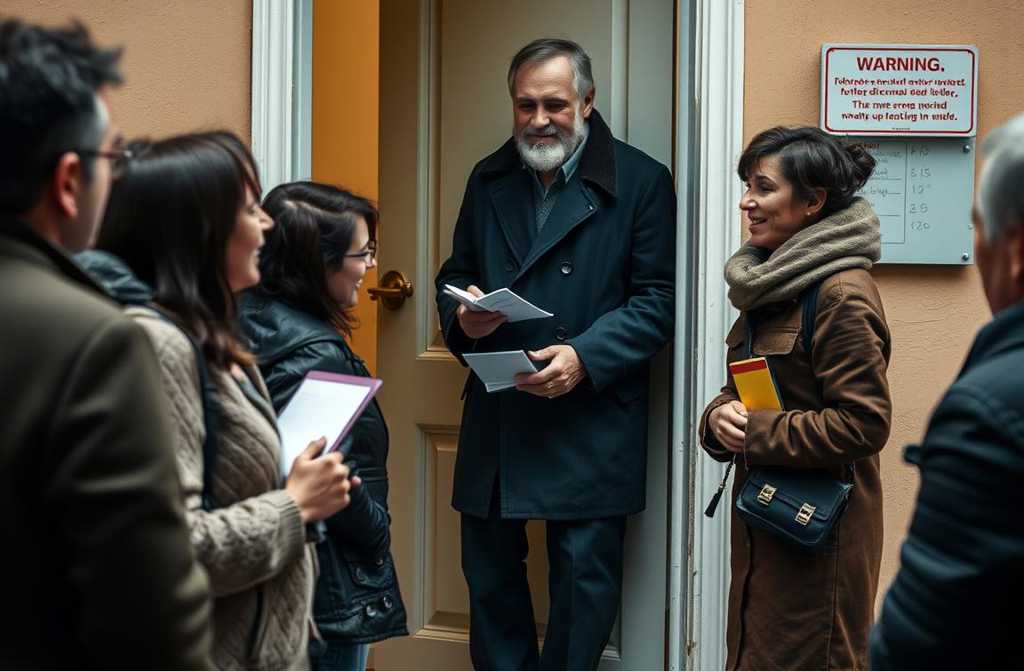
Pinned to the doors and letterboxes were freshly printed notices, white sheets from a kitchen printer. In bold scarlet letters they read: Attention! Urgent replacement of water meters! Must be completed by the end of the week! Fines apply! Phone to book see below. The paper was already curling in the damp, ink bleeding at the edges. On the ground floor, Aunt Lucy stood by the lift, trying to dial, a sack of potatoes tucked under her other arm.
They say therell be fines if we dont replace them, she whispered anxiously as the Harringtons passed. I called the number on the flyer; a young man said its a scheme just for our block. Maybe its time?
Mr. Harrington shrugged. Why the rush? No one warned us in advance. The managing agent is silentno letters, no calls. And this scheme sounds awfully loud.
The discussion continued over supper. Their son slipped another slip of paper from his schoolbaga duplicate, folded in half and slipped into the door gap. Mrs. Harrington turned it over, checking the date of the meters last certification on the bill.
Our meter was only due for testing next year. Why the hurry? she asked. And why hasnt anyone here heard of this company?
Mr. Harrington thought a moment. We should ask the neighbours who received similar notices. And find out who this service is; theyre handing them out everywhere.
The next morning the stairwell buzzed with voices. Somewhere above, a heated phone argument rose; on the landing near the rubbish chute, residents traded the latest gossip. Two women from flat three shared their worries.
If they dont change it, theyll cut off the water! one exclaimed. I have little children!
Just then a knock sounded. Two men in matching jackets, briefcases at their sides, prowled the corridor. One held a tablet, the other a stack of forms.
Good evening, dear residents! Urgent watermeter replacement as ordered! Anyone overdue on their inspection will face fines from the management! the taller man announced, his voice too polished, his smile too slick. The second man rushed to the opposite door, pounding hard as if trying to sweep through as many flats as possible in a short time.
The Harringtons exchanged looks. Mr. Harrington peered through the peephole: unfamiliar faces, no badges, no insignia. Mrs. Harrington whispered, Dont open. Let them move on.
Their son wandered to the window and saw a nondescript car parked in the courtyard, the driver smoking and scrolling on his phone. Reflected streetlights danced on the wet tarmac, still glistening from the earlier drizzle.
Within minutes the men moved on, leaving damp footprints on the carpet by Aunt Lucys door. A trail of water ran down the mat.
That evening the landing hummed like a beehive. Some had already signed up for the replacement, others were on the phone with the management, receiving vague answers. The buildings WhatsApp group buzzed: should we let these people in? Why the urgency? Mrs. Harrington asked a neighbour in flat17 what the service men had claimed.
They even had odd little laminated cards, no official seal, the neighbour replied. I asked for a licence and they vanished.
Mr. Harrington grew wary. Tomorrow well catch them again and demand proper documents. Ill also ring the management directly.
Mrs. Harrington agreed, and their son promised to record the conversation.
The following morning the trio returned, identical jackets, identical folders. They rattled through the floors, tapping doors, urging immediate signup.
Mr. Harrington opened his door a crack, chain still taut. Show me your documents. Give me your licence and the managements work order number, if this is a scheduled job, he said.
The first man fumbled, pulling out a sheet with an unfamiliar logo and thrusting it through the gap. The second glanced at his tablet.
We have a contract to service this building heres the contract, he began.
What contract? With our managing agent? Name the responsible officer, give the workorder number and the dispatchers phone, Mr. Harrington pressed calmly.
The men exchanged uneasy looks, muttering about urgency and penalties. Mr. Harrington then dialled the managements number on the spot.
Hello, could you confirm whether you sent technicians today to replace water meters? We have strangers roaming the flats, he asked.
The reply was clear: no planned works, no dispatches, and any legitimate technician would be notified in writing and would sign a register with each resident.
The men stammered, claiming a mistake, a misdirected visit. By then the son had already captured the call on his phone.
Dusk fell quickly, the stairwell slipping into halfdark. A cold draft slipped through an open window, rattling the upperfloor pane. Umbrellas and shoes piled near the entrance, a wet track from soggy boots leading to the rubbish chute. Voices from behind doors trembled with alarm, rehashing what had just occurred.
The Harringtons realised, with a shiver, that they were facing a swindle dressed as a compulsory meter swap. The conclusion was obvious: warn the others and act together.
The stairwell was now dim, but they did not wait. Mr. Harrington called Aunt Lucy and the woman from flat17, and two more neighbours from the top floor joined them, mothers with toddlers in tow. The landing smelled of damp coats and fresh bakery wafts; someone had just brought in a loaf from the corner shop. The son activated his recorder so the conversation could be replayed for anyone who could not attend.
Listen, Mr. Harrington began, displaying the recording on his phone, the management says there are no works. These men are impostorsno licence, no work order. They are fraudsters.
A neighbour from the third floor shouted, Id already signed up! They sounded so convincing! She blushed, embarrassed.
Her mother added, We were called too, but if it were truly from the management wed have received a written notice first.
A murmur rose as people asked about fines, data protection, and what to do next. Mr. Harrington steadied them: Do not let anyone in tomorrow and never pay on the spot. If they return, demand proper paperwork and call the management right there. Better yet, keep the door shut.
Their son showed a sheet detailing how genuine inspections are documented on receipts, how to verify a company via the managements phone line, and that any fine without a court order is merely intimidation.
Lets draft a collective letter to the management, informing them of these visits so they can alert the rest of the building, Mrs. Harrington suggested, and put up a notice on the ground floor.
Everyone nodded. A pen was passed, an old file opened, and together they wrote a simple notice: Attention! Fraudulent individuals posing as service technicians have been seen in the stairwell. The managing agent confirms no works are scheduled. Do not open the door to strangers. The paper was slipped into a waterproof folder and taped to the letterbox board in several layers.
Almost every resident present signed the petition; the woman from the third floor volunteered to deliver it to the management first thing in the morning. The rest promised to spread the word to those on holiday or staying with relatives.
When they dispersed back to their flats, the atmosphere had shifted from suspicion to a bustling, almost cheerful camaraderie. Someone joked, Now no one will pull the wool over our eyes! Lets rename the WhatsApp group AntiScammer!
Mr. Harrington smiled, The important thing is we now know each others faces. Next time well meet not in panic but as a united front.
Late that night, only a couple of umbrellas rested on the heating pipe and a forgotten grocery bag lingered by the door. The landing fell silent; muffled voices behind the doors discussed the days events or phoned relatives.
Morning brought swift change: the urgentreplacement notices vanished from every door and letterbox as suddenly as they had appeared. No further service men roamed the courtyard or the stairwell. Only the caretaker spotted a crumpled flyer with red lettering and a strip of tape stuck to a door.
Neighbours gathered by the lift, smiling gratefully; each now knew a little more about their rights and the tricks of strangers. Aunt Lucy handed the Harringtons a batch of homemade scones for saving us from folly, and the upstairs neighbour left a note that read Thank you! on their door.
The courtyard, still wet from the nights rain, reflected the early sun, the last droplets evaporating. On the landing, talk returned to ordinary news: a resident bragged about a genuine meter installed a year ago, another cracked a joke about the service men, and many simply enjoyed the newfound trust among the buildings occupants.
The Harringtons reflected on the price of their victoryan evening spent explaining, paperwork, a few embarrassed faces, and a temporary loss of blind faith in doorposters. Yet the whole block emerged wiser, more vigilant toward strangers, and a little closer to one another.