The wind met Edward Hawthorne with a sharp gust that ripped his flat cap from his head before he could even set foot on the platform. He had to snatch it midair, feeling the icy fingers of an autumn breeze slip under his collar. The air smelled of wet leaves, chimney smoke from distant cottages, and something vaguely familiariron, oil, old timbers. It was the scent of childhood.
He turned his gaze.
The low brick station building, its paint peeling from the sign that read Woodbridge, stood before him. The platform, once swept clean by the old caretaker Uncle Tom, was now overgrown with nettles and weeds pushing through cracks in the cobbles. Everything was as it had been, yet somehow different, as if the world had been squeezed in a fist.
The trees that had towered like giants in his youth now barely brushed the roof of the station. The little stall where he used to sit waiting for the train to London now looked tiny, its boards rotted. Even the sky seemed lower.
Edward slipped his cap back on, slung his satchel over his shoulder, and set off down the familiar lane.
It led downwards toward the river, toward his grandfathers house.
The lane twisted between crooked cottages, skirted vacant fields where the oncestout fences had turned black with age. The hamlet was dying a quiet death.
The youngsters had long since gonesome to the city, others to work elsewhere. Only the old remained, lingering in their twilight, and a few families with nowhere else to flee. Many windows stared out empty, doors hung on a single hinge.
The only sound was the mournful bark of dogs, not joyful but laden with a weary resignation, as if they had forgotten why they barked. Occasionally the creak of the wellbucket at Mrs. Gruns cottage broke the silence.
Grandfather Thomass house stood at the very edge of the lane, where the footpath dissolved into the rivers sand and the roots of ancient willows tangled with the washedaway bank. It was a wooden structure, blackened by time yet stubborn, its carved doorframes fashioned by Thomas on winter evenings. Edward could still feel each curl and flower of those carvings in his memory, recalling how as a boy he would stand on tiptoes and run his fingers over the patterns as if reading secret scripts.
The porch groaned under his feet with the same treacherous loudness as twenty years before. The lock on the door had rusted into a lump, but Edward, without hesitation, felt beneath the third step of the threshold for the hidden keyits broken tooth forever catching in the lock.
The door gave way with resistance, as if the house itself were reluctant to admit a stranger.
A rush of smells hit him:
Dust that had settled through years of emptiness,
the sharp tang of old books,
the bitter plume of hearth smoke embedded in the timbers,
sunbeams slicing through dusty panes, casting dancing motes in the air. Everything lay exactly where it had been, as if time had halted the day they left:
A massive oak table scarred by his grandfathers axewhere meat had once been chopped,
a kerosene lamp beneath a glass domea perpetual tribute to winter evenings,
A cupboard of firearmstwo shotguns and an old breechloader, still smelling of linseed oil and powder,
On the crooked wall, photographs in homemade frames hung askew:
Grandfather Thomas in his youth, rifle slung over his shoulder, stern gaze (1923, pencilled note),
Grandmother Anne with a washboard, two buckets brimming, a July sky behind her,
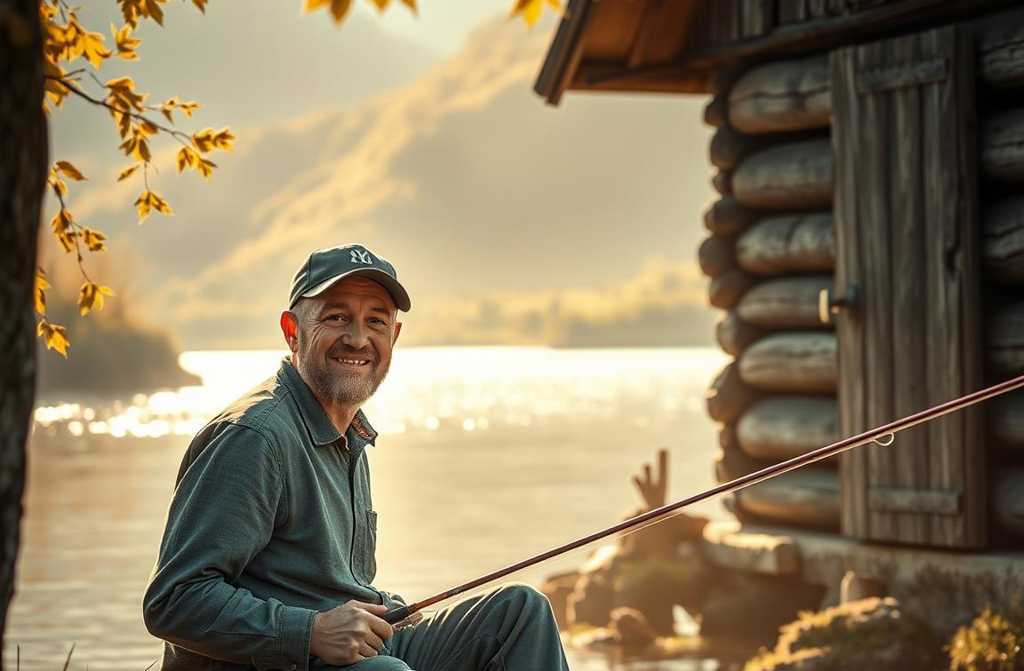
Young Edward with a fishing rod, barefoot, shirt sunbleached, cheeky grin.
Edward flung his satchel onto the bed and a cloud of dust rose to the ceiling. He paused, listening to the floorboards creak beneath his feetthe same sound that had always marked his nocturnal trips to the river.
He stepped into the yard.
The river roared as it always hada deep, rolling thunder, as if a great beast breathed behind the gate. The wind sent little ripples across the water, breaking sunlight into countless sparkling shards. Across the far bank, untouched by modern hands, the forest loomed darkancient and mute, like a memory.
Edward drew a deep breath, filling his lungs with the damp air tinged with algae and rotting twigs.
He had not come here by accident.
After being dismissed from the millhis mates gave him no farewell,
After his marriage fell apartthe door slammed shut forever,
After the city began to press on him with its walls of soot, its crowds, their indifferent voices.
Then his grandfathers whispered words at the nightfire resurfaced:
If your soul aches, lad, go to the river. Stand by the water until you hear its voice. The water will wash away all hurt and grievance. The river remembers every one who has come to it.
His fists clenched, a sting rose in his chestwhether from memory or omen, he could not tell.
The first days passed in a blanket of silence. A thick, syrupy hush that wrapped around Edward like tree resin. It was not the false quiet of the city, filled with the hum of traffic, neighbours footsteps, the wail of alarms. Here the silence was alive, healing.
He repaired the roofpatching ragged spots with strips of rubberised canvas. His hammer rang on nails, the sound carrying over the river as if someone were knocking on the doors of abandoned houses all around the hamlet.
He split firewoodGrandfathers axe still keen. Logs cracked with a juicy snap, revealing the grain within. The scent of pine resin mixed with his own sweat.
He fishedperching on the same stone hed used as a boy, casting his line into the dark water. The catches were modesttiny minnows, nothing like the plump, greasy fish of his youthbut the tremor of the line, the resistance of the water, the patient waiting mattered more than the haul.
Loneliness settled in, but it was not the hollow emptiness of an underground tube station or a silent phone that never rang. Here it breathed, filling with:
Memories:
By a knobby stump, Grandfather had taught him to set snares for harescalloused hands guiding his, Dont bind it too tight, lad, or the iron will smell.
Under a sagging leanto, Aunt Anne dried mushroomswhite as butter, birchrooted, smelling of forest. She muttered prayers while he pilfered a piece before she saw.
At the doorway, his mother once stood in a cheap blue dress, suitcase in hand, Ill be back, she said. She never returned.
Sounds:
The creak of ancient willows rubbing branches, as if sharing secrets.
The splash of the riveralive, not the clank of a city tap, bubbling over stones.
A night birds cryneither owl nor hawk, perhaps something else entirely.
Presence of those gone:
No shadows lingered in corners, no footsteps creaked on the attic. Yet sometimes a grandfathers mug would appear on the table as if placed by an unseen hand,
The hearth would flare brighter than expected,
And fresh footprints would be found on the windowsill each morning, as though someone pressed palms to the glass.
Edward lit a pipe, letting the smoke curl into the cool air. Then, from beyond the river, a lone howl rosea long, familiar wail.
A wolf? Perhaps. But Grandfather had said otherwise: Its not beasts that howl, lad. Its wandering souls, restless against the world of the livingthose we have forgotten, those we have erased from memory. They linger at the bank, unable to cross until some heart remembers them with love.
A shiver ran down his spine, but not from fear. It was recognition.
That autumn Edward never returned to the city. He stayed in Grandfathers housesplitting firewood, stoking the stove, planting potatoes in spring, sipping tea with gooseberry jam each morning, reading the old books from the cupboard each evening. Occasionally he journeyed to town for provisions and cigarettes, and sometimes helped Mrs. Grun with chores when she asked.
Early summer brought his son, Arthurfifteen, lanky, earbuds perpetually in his ears, a perpetual scowl etched on his face. The first day he spent fiddling with his phone, muttering that the internet here was hopeless.
The second day, while Edward was tidying, the boys phone slipped from his grasp and fell into a bucket of water. The teenager froze, pulling out the soaked device.
Damned it! he shouted. Its dead now for sure!
He tossed the phone back into his knapsack with irritation.
The remaining days shifted. At first Arthur wandered, fingers brushing pockets, then he began helping with choresfirst out of boredom, then with growing enthusiasm. By the fifth day, when a silvery perch finally bit, genuine childlike delight lit his eyes.
When the time came to leave, Arthur asked, Dad, could I could I come back for the holidays? He hesitated, Just dont get me a new phone, alright?
Edward nodded, a smile tugging at his lips, As you wish. Just dont forget your rod.
A week later Arthur returned, and this time stayed until summers end.
In autumn the telephone rang.
Edward was chopping wood behind the house, his ears slow to catch the sound. The handset lay on the garden table, the screen flashing Lena.
He froze. They hadnt spoken since half a year earlier, when his exwife had yelled into the receiver that he was a useless father.
Hello, he croaked, wiping his hand on his apron.
At first came the din of city traffic, then a tentative voice:
Hi, Edward, Lena paused, choosing her words. I wanted to say something about Arthur Hes come back a different man.
Edward sank onto a bench.
He washes his own dishes now, keeps his room tidy. First time in fifteen years, she laughed nervously, and thank you. Warmth slipped through her words, almost a laugh. Thank you.
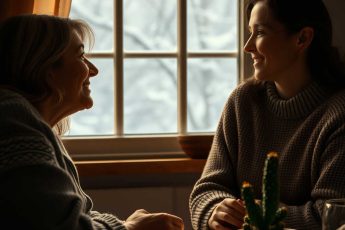
He imagined her standing in their former kitchen, one hand wrapped around her shoulder as she always did when she was nervous.
He just saw another life, Edward said slowly.
No. He saw you, she said after a long pause. I want to come. With him. For the winter. Is that alright?
Scenes from their past flashed before Edwards eyes in an instant.
Its cold here, he finally managed. Well need to keep the stove going.
Youll teach me? she whispered, barely audible.
Come, he said, a smile widening without him realizing, just bring warm things. And your boots.
Boots, she repeated, and for the first time in years her voice softened with tenderness. Very well.
When the call ended, Edward went back to the woodpile. The axe fell with a swift, eager rhythm, his breath quickening with anticipation.
He tossed the last log into the basket and straightened his back. Mist rose over the river, cloaking the bank in a gentle veil. Winter was near, he thought, but for the first time he awaited it not with dread but with a quiet, careful hope.
From the corner of the house a gate creaked as the wind nudged it. Will need fixing before they arrive, he noted to himself, already forming a checklist: clean the stove, oil the flues, fetch extra blankets and pillows from the loft.
Stopping at the gate, he realized he was looking at his home not as a refuge but as a dwelling soon to be filled with voices. That feeling was new and fragile, and even the cold air seemed a little warmer than before.