The bell of StMarys rang in the cold April dawn, and I, Eleanor Whitaker, thirtyeight and living alone in my modest onebed flat in the outskirts of York, whispered a prayer that had never left my lips before. All my life Id kept cleanno harsh words, no bitter deeds. Everything I owned, from the cramped flat to the little stone cottage I tended in the Yorkshire Dales, Id earned with my own hands. My parents, now long gone, had given what they could; I was the youngest of five.
Two old friendsClara and Margarethad been my companions since school. They were married, their lives settled, and I visited them only on rare holidays. I could not bear the way their husbands, too often under the influence, tried to coax me into lewd jokes, hoping to fill the silence of my solitude. Id had to tell them, firmly, that those men were not my kind of men. God heard that, I thought, and they finally understood.
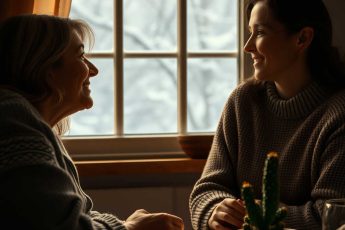
Nadine, my neighbour, stared out of the kitchen window, her eyes clouded with longing. Look at the world beyond the glass, she murmured, full of happy couples and solitary souls like us. She turned to the crucifix on the wall and spoke in a hushed tone:
Never have I asked you for anything, Lord. Now I kneel, humbled. Give me what people say I do not deserve. Im tired of being alone. Send me a creature, a stray soul, perhaps an orphan. I am timid, unsure, always judged as sour or selfabsorbed when Im merely indecisive, fearing ridicule. My father taught me to guard my reputation, to keep a respectable front. I have lived like a candle in the wind, never a sturdy pillar. Guide me, Lord. Amen.
It was Sunday, a early spring morning. In the house opposite, a few dim lights flickered in the upper windows. I knelt before a tiny wooden cross, and as I rose my cheeks were damp with two fresh tracks of tears I had never shed. I wiped them with the back of my hands, shouldered two heavy grocery bagsone filled with potatoes, carrots, a tin of baked beans, and a pot of cheap garden paintthen stepped out into the chill.
My cottage in the Dales was my sanctuary. There I was never truly alone; the garden, the hens, the neighboring women gossiping over the hedge gave me company. The bags tugged at my arms, but the bus stop was a short walk away. I waited an hour in the cold rain, watching the empty road. A battered doubledecker bus roared past, then another, then a third. I told myself if a fourth came, fate had finally decided to let me out of this solitude.
Miraculously, the fourth bus slowed, the driver shouting at a drunken man stumbling out of a scuffle, and then, with a clumsy shove, he forced me inside. The doors slammed shut, squeezing me like a folded accordion. The stale air, the mingled smells of sweat and diesel, threatened to choke me. I felt as if I were dying, clinging to the metal rail until I gasped for breath.
Fortyfive minutes later, I stumbled back onto the cottage path. By three oclock the oven was filling the kitchen with the scent of smoked pork, and by six the garden was awash in the golden glow of sunset. I sagged back into the doorway, my spine hunched, my eyes glazed, but a flicker of relief danced in me. I caught my reflection in a cracked mirror, winked, and raced to the bathroom for a hot shower. Exhausted, I flopped onto the sofa, intending to rest an hour before the evening news.
Sleep seized me the moment my head hit the pillow. I awoke in the dead of night to the low murmur of a television. I turned it off, set the alarm, slipped out of my dressing gown, and lay awake, restless. After a while I rose, prepared a simple lunch for the next day’s work, and went back to bed.
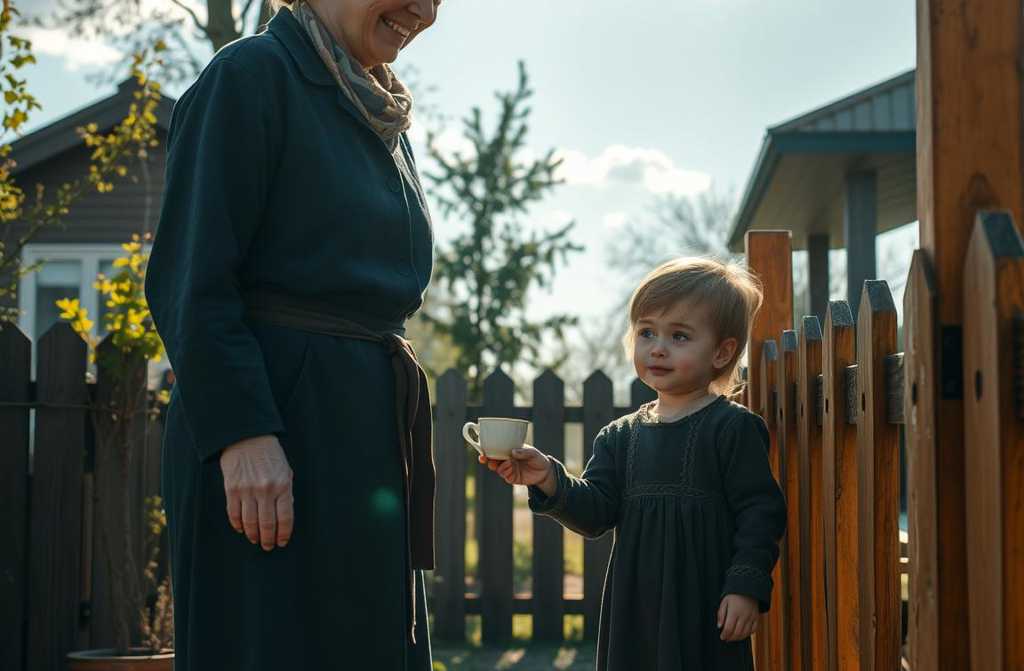
Two days later I drove the familiar route back to the Dales. As I pushed open the garden gate, a chill ran down my spine. The electric kettle on the kitchen counter was whistling, steam curling upward; my favourite chipped mug sat on the table, already filled with tea and a spoonful of sugar. My breath caught. I lifted the mug, turned it over, and the scent of fresh brew hit me. I stepped outside and stared at the picket fence that now wore a fresh coat of green paint.
Who could have done this? I whispered. My mind racedperhaps my mother visiting? I brushed a fingertip along the newly painted slat; the paint was still tacky. It wasnt my mother; she lived in Leeds. The neighbour across the lane, MrsKatherine Kat Hughes, appeared, wiping her hands on a wellworn apron.
Morning, Neddy, she called, eyes twinkling. Whats got you all flustered? You look like youve seen a ghost.
Good morning, Kat. Did you see anyone paint my fence overnight?
She chuckled, shaking her head. Wasnt me, love. I was here last night, brewing a pot of tea. No one else was around. Did your mother turn up?
Cant beshes in Leeds. And the kettle its still on.
Kat squinted at the fence, then at me, as if trying to piece together a puzzle. Well, lets have a look together.
We walked side by side to the fence, the summer sun turning the paint a bright emerald. Kats weathered hands traced the fresh strokes. Anything missing?
I glanced at the kitchen tableonly a halfloaf of bread, a few biscuits. No, nothing seems to have vanished, except perhaps the peace of mind.
She laughed, Maybe weve got a garden gnome on the job.
I fished my mobile from my handbag, dialed my mothers number. After several rings, a breathless voice answered.
Eleanor? Its early. Whats happened?
Hi Mum, Im at the cottage. Someone painted my fence, the kettles on, teas ready. Its odd.
Bless their hearts if theyre helping. Thank them, love. Im off to the market with your father for a sack of paraffin. Give my regards to Kat.
I hung up, feeling a small smile tug at my lips. Kat, still watching the fence, nudged me.
What do you think? Maybe old MrMathew from the next field? Hes been talking about lending a hand with the paint.
Maybe. Ill thank whoever it was.
The next weekend I returned, and the cottage was immaculatenew shelves, freshly mopped floors, the garden beds weeded, berries stored in glass jars, even my battered garden boots repaired. No one was seen, no one heard. Yet the pantry was stocked with soups and salads made from vegetables Id grown myself. A feeling of being watched, of gratitude toward an unseen hand, settled over me.
I began to talk aloud to the empty air, pleading with the invisible benefactor for more help. By late summer, I was bold enough to give orders: When I return next spring, make sure the firewood is stacked and the roof patched. I even set a saucer of milk on the porch for the neighbours cat, which would lap it up with a satisfied purr.
Autumn arrived, the harvest was plentiful, the soil turned over. On my final visit before the cold set in, I placed an old mens bootborrowed from MrMathewon the doorstep and whispered:
Come, master of the unseen, lets find a new place together. I have a onebed flat in the city, but I think well manage.
From the left a deep, gravelly voice called out, startling me so that I leapt from my seat. A man in a threadbare but clean coat, barefoot, with tangled black curls reaching his shoulders and startling blue eyes, stood before me, fists clenched then released.
Sorry to frighten you, he said, voice trembling. I didnt mean to. Youre leaving next summer, right? You promised youd take me with you.
Tears streamed down my cheeks unbidden. I stared at him, speechless.
Recovering, I barked, Stop! Where do you think youre going? I softened, Are you hungry?
He nodded, A little. I havent eaten all day.
I gestured, Hold on, Ill get you something. Stay here; Ill fetch a proper shoe from MrMathew, and maybe Sanjay can give you a lift home.
I ran back to the village, heart pounding, halfbelieving I was dreaming. A drifter had helped me all summer, and now I was bringing him into my lifesomething I never imagined possible.
Years later, hand in hand with my husband, Victor Hargreaves, we strolled through the leafy avenues of the city park. Autumns gold painted the leaves, my favourite season. We recalled the improbable way wed met, the tangled stories of our pasts. My life, once a solitary march, had become a shared journey. Victor had once been a lost soul, drifting from job to job after the recession, his wifeonce a successful entrepreneurhad thrown him out. Hed slept on friends couches, scrounged for food, until he saw me, struggling with my bags, and offered help. He hid in my attic, fearing Id discover him, but over time his presence became a comfort. We laughed now at those dark days.
Our son, when he comes of age, will know the tale of a lonely woman, a mysterious helper, and a love that bloomed against all odds. The bus, the painted fence, the kettle that never cooledthose were the signs that destiny had finally knocked on my door.