20October2025
The wind snatched my flat cap from my head the moment I set foot on the platform, a sudden, biting gust that sent it flying before I could even stride forward. I chased after it, feeling the crisp autumn air slip beneath my coat collar. The smell was a mingling of damp leaves, distant chimney smoke and something oddly familiariron, oil, seasoned timber. It was the scent of childhood.
I looked around.
A low, redbrick station building, its paint peeling off the sign that read Hawthorne. The platform, once swept clean by Uncle Mike, was now overgrown with nettles and thistles pushing up through cracks in the tarmac. Everything was the same and yet different, as if someone had squeezed the world into a tighter fist.
The tall trees that had towered over me as a boy now barely brushed the station roof. The little shop where I used to sit and wait for the train to the city now looked like a shrunken shed, its boards rotsoftened. Even the sky seemed lower.
I pushed my cap deeper onto my brow, slung my rucksack over my shoulder and set off down the familiar lane.
It led down toward the river, toward Granddads old house.
The road wound between crooked cottages, skirted empty fields where the oncesturdy fence posts had blackened with age. The hamlet was quietly dying.
Most of the youngsters had long since moved to the city or gone off seeking work. Only the elderly lingered, living out their days in hushed solitude, and a few families that had nowhere else to go. Many windows gaped empty, doors hung on a single hinge.
The only sound was the mournful bark of the houndsmore a sigh than a greeting, as if theyd forgotten why they were barkingpaired with the creak of the wellpulley at Mrs. Browns cottage.
Granddads house sat at the very end of the lane, beside the river where the footpath dissolved into sand and the roots of ancient willows tangled with the washedaway bank. The wooden structure, darkened by time, still bore the handcarved window frames Granddad had whittled on winter evenings. I could feel each curl and flower in my fingertips, remembering how as a boy Id stand on tiptoes to trace the patterns as if reading secret script.
The front step groaned under my feet, just as loudly as it had twenty years ago. The lock on the door was now a rusted lump, but I felt my way beneath the third step and found the hidden keya broken tooth on its edge, the one that always stuck in the lock.
The door gave way with a reluctant sigh, as though the house itself hesitated to admit a stranger.
The smell that hit me was a collage of:
Dust settled over years of emptiness
A faint tang of old books
A bitter trail of hearth smoke ingrained in the beams
Sunbeams slicing through grimy panes lit dancing motes in the air. Everything was where it had been, as if time had frozen the day they left:
A massive oak table scarred by Granddads axe, the very spot where he once butchered meat.
A kerosene lamp beneath a glass globe, a perpetual tribute to winter nights.
A wooden armoire holding two shotguns and an ancient rifle, their wood still scented with linseed oil and powder.
On the slightly askew wall hung homemade frames:
Granddad in his youth, revolver at his hip, a hard stare (1923, pencilled).
Gran Margaret with a waterbucket, two pails brimful, a July sky behind her.
Little Thomas with a fishing rod, barefoot in a sunbleached shirt, a mischievous grin.
I flung my rucksack onto the bed and a cloud of dust rose to the ceiling. I paused, listening to the floorboards creakthe same sound that always announced my nocturnal trips to the river.
I stepped outside.
The river roared with the same deep, rolling murmur, as if a great beast breathed behind the gate. The wind skittered across the water, breaking the suns reflections into a thousand glittering shards. Across the bank, untouched by any modern hand, the forest stood dark and ancient, as silent as a memory.
I drew a deep breath, filling my lungs with the damp, algaetinged air.
I hadnt come here without reason.
After being let go from the factoryno proper sendoff.
After the divorcewhen the front door finally slammed shut.
After the city began to press in, its walls of traffic, its indifferent faces, its clamor.
Then Granddads whispered words from a nighttime fire resurfaced in my mind:
If your soul aches, lad, go to the river. Stand by the water until you hear its voice. It will wash away hurt and grievance. The river remembers every one who has come to it.
My fists clenched. A prickling wound opened in my chestpart memory, part premonition.
The first days passed in a thick, comforting silence, unlike the citys false quiet filled with car horns, neighbours footsteps, and alarm beeps. Here the hush was alive, healing.
I patched the roof with strips of rubberised sheeting. Each hammer strike rang out over the river, as if someone were knocking on the doors of abandoned cottages.
I split firewoodGranddads axe still keen. Logs cracked with a juicy snap, exposing the grains hidden patterns. The scent of pine resin mixed with my own sweat.
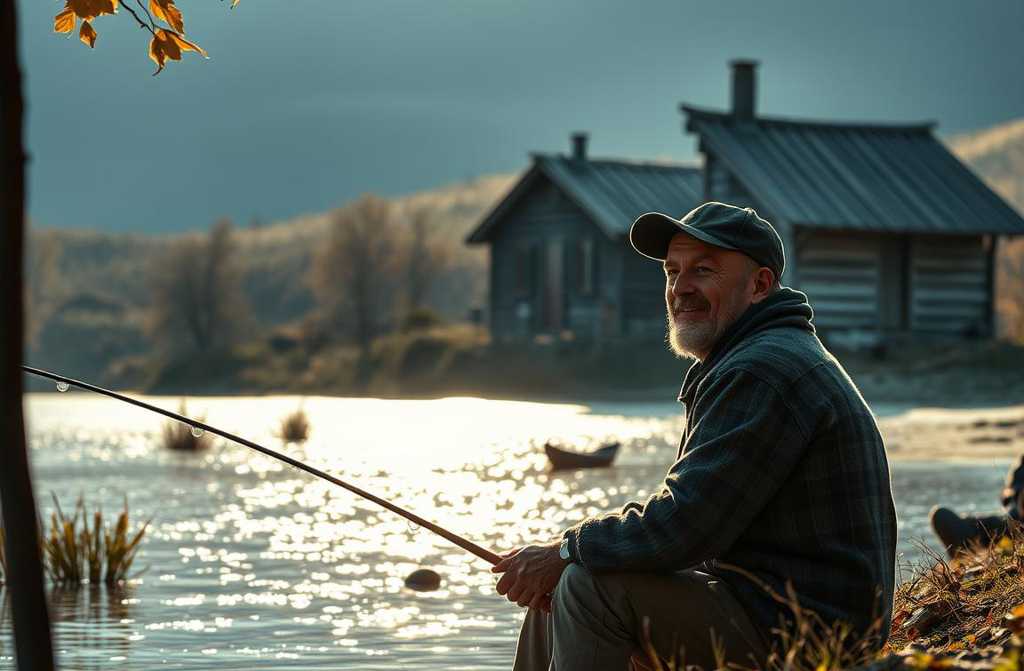
I fished from the same stone Id used as a child, casting the line into the dark water. The catches were small, nothing like the plump ones of my youth, but the tremor of the line in my fingers, the resistance, the patiencethose mattered.
Loneliness settled in, but not the hollow kind found in an elevator shaft or a silent phone line. It breathed. It filled with:
1. Memories by the rotting stump where Granddad taught me to set rabbit snares, his rough hand guiding mine, Dont make it too tight, lad, or the iron will smell.
By the sagging porch where Gran Margaret dried mushroomswhite as butter, birchbrowned, smelling of forestshe muttered prayers while I pilfered a piece unnoticed.
At the doorway, the last time Mother stood there in a cheap blue dress, suitcase in hand, Ill be back, she said. She never returned.
2. Sounds the creak of the ancient willows, their branches whispering conspiracies.
The splash of the river, not the drip from a kitchen tap but a living, bubbling flow, stones tossed up like tiny fireworks.
The hoot of a night birdperhaps an owl, perhaps something else entirely.
3. Presence of those gone not shadows in corners or footsteps on the attic, but occasional signs: Granddads mug appearing on the table of its own accord, the stove flaring up brighter than expected, fresh footprints on the windowsill as if someone leaned against the glass.
I lit a cigarette and watched the smoke drift into the cool air. From across the river came a lone, mournful howl. Not a wolf, I thought, but the lament of restless souls knocking on the world of the living, as Granddad once said: Its not beasts that wail, lad. Its lost spirits, unable to cross until a heart remembers them with love.
A shiver ran down my spinenot fear, but recognition.
That autumn I never returned to the city. I stayed in Granddads housechopping wood, stoking the fire, planting potatoes in the spring garden. Mornings were spent sipping tea with gooseberry jam; evenings, leafing through the old books in the armoire. Occasionally I ventured into town for groceries and cigarettes, and helped Mrs. Brown when she asked.
Early summer brought my son, Arthurfifteen, lanky, earbuds glued in, a perpetual scowl. He spent his first day tapping his phone, complaining about the lack of proper internet.
On the second day, while I was tidying, his phone slipped from his hand into a bucket of water. He stared, horrified, as the soaked device sputtered.
Bloody hell! he cursed. Its dead now!
He tossed it into his backpack in a fit of irritation.
The days changed after that. At first Arthur roamed like a lost dog, poking his pockets. Then, out of boredom, he began helping around the house, and soon enough, genuine enthusiasm sparked when a silver perch finally tugged on his line.
When he was about to leave, he hesitated.
Dad, can I come back for holidays? he stammered. Just dont buy me a new phone, okay?
I smiled, hiding it behind a nod.
Whatever you say. Just dont forget your rod.
A week later he returned, this time staying until the end of summer.
In autumn the telephone rang. I was chopping wood by the back garden and didnt hear it at first. The handset lay on the garden table, screen flashing Lena. My heart froze; we hadnt spoken since half a year ago when my ex-wife shouted into the receiver, calling me a deadbeat dad.
Hello? I croaked, wiping my hands on the apron.
At first came city traffic noise, then a tentative voice:
Hi, Thomas. Lena paused, choosing words. I wanted to tell you about Arthur Hes come back a different man.
I sank onto the bench.
He washes his own dishes now, keeps his room tidy. First time in fifteen years, she laughed nervously, a warm note slipping through. And thank you.
I pictured her standing in our former kitchen, one hand hugging her shoulder as she always did when nervous.
He just saw another life, I said gently.
No. He saw you. She sighed. I want to come, with him, for the winter. Is that alright?
Memories flashed like a reel.
Its cold here, I managed. Well need to fire the stove.
Will you teach me? she whispered.
Come on then, I replied, a smile finally breaking free. Bring warm clothes. And your felt slippers.
Felt slippers, she repeated, a tenderness in her voice that had been absent for years. Alright.
When the call ended, I went back to splitting firewood. The axe fell with a quick, eager rhythm, my breath catching from excitement. I tossed the last log into the basket, straightened my back, and watched the mist rise over the river, cloaking the banks in soft grey. Winter was coming, I thought, but for the first time I welcomed it not with dread, but with quiet anticipation.
From the corner of the house a gate creaked, the old latch sighing in the wind. Will need to fix it before they arrive, I noted, already listing tasks: clean the stove, oil the flues, pull extra blankets from the loft.
Standing at the gate, I realised I no longer saw the house as a refuge but as a home that would soon be filled with voices again. That realization was fragile and new, yet it warmed the chilled air more than any fire could.
Lesson: No matter how far you wander, the river of memory can always guide you back to the place where you belong.